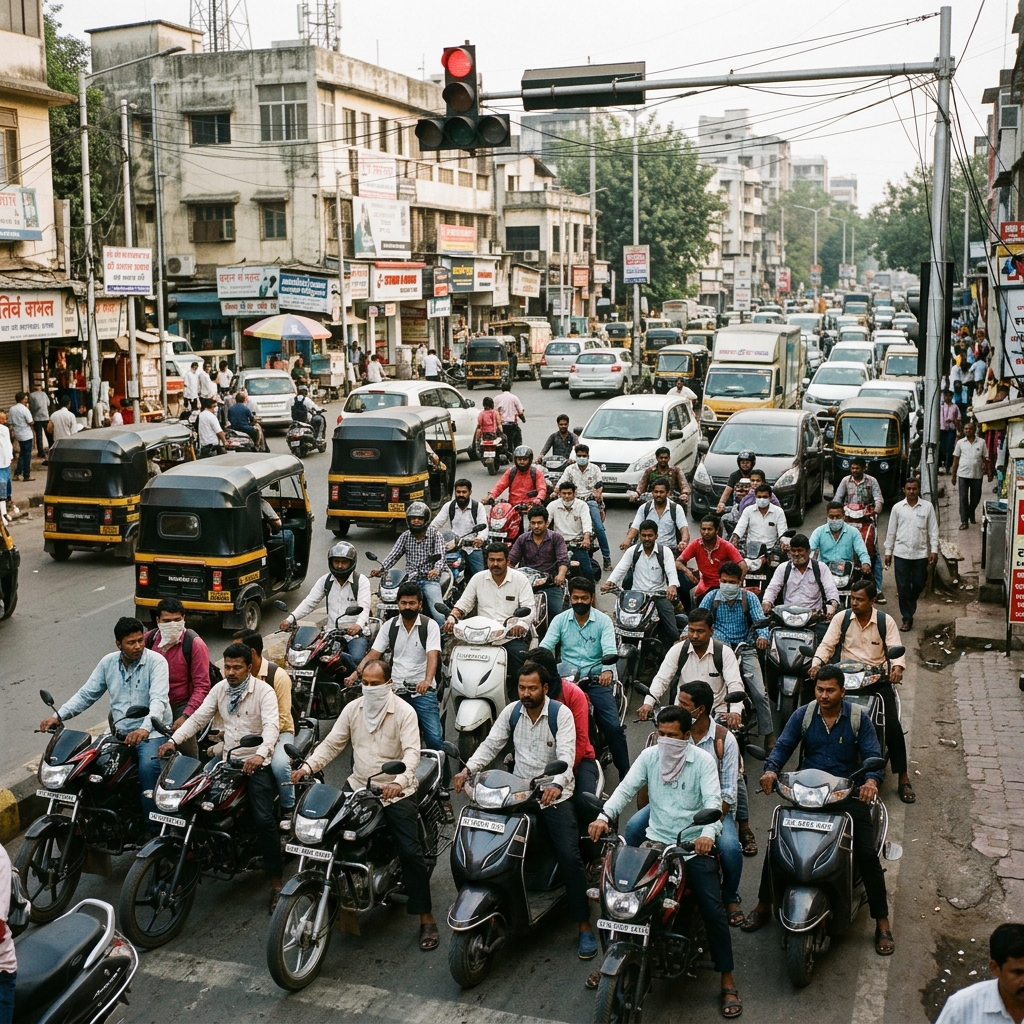
We Wore Masks for Covid. We Won't Wear Helmets for the Road.
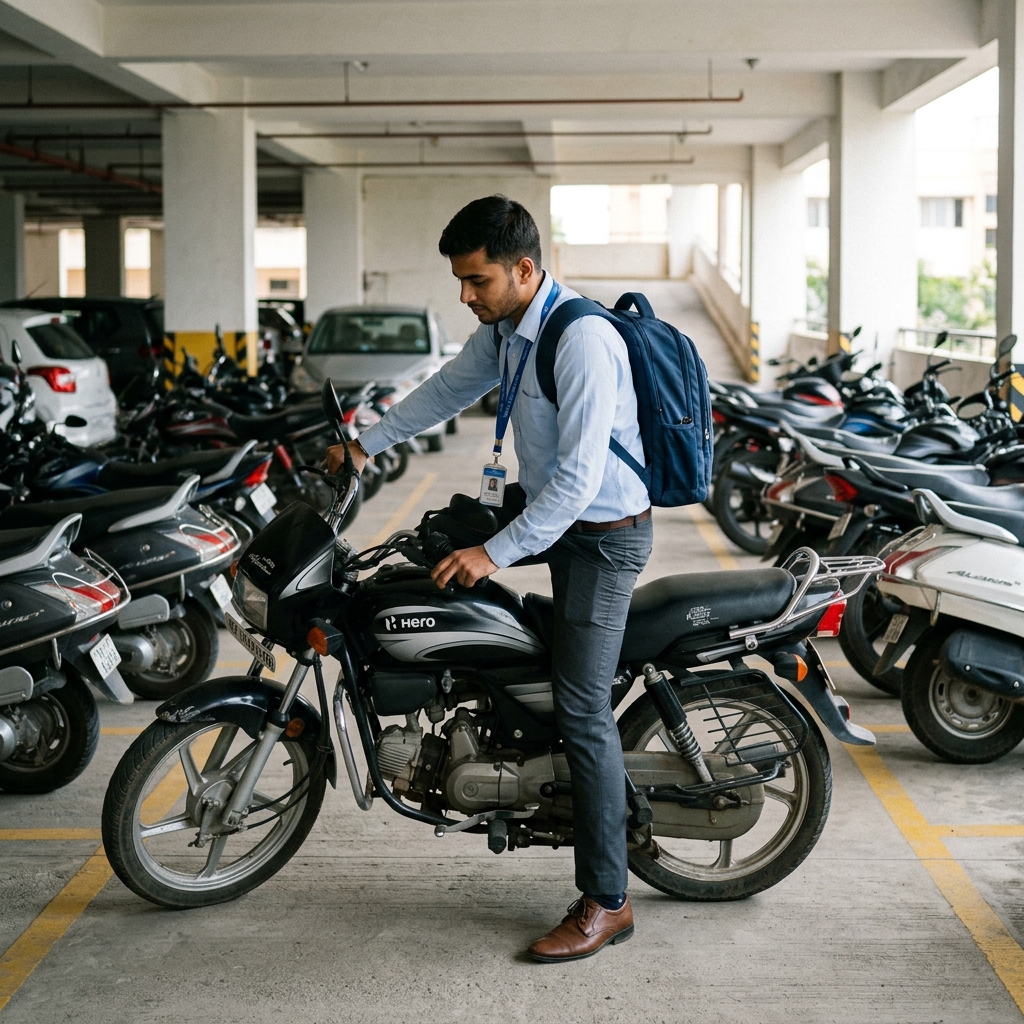
During Covid, India wore masks faithfully... for a disease with a fatality rate in the single digits. Every day on our roads, we ride without helmets facing a far higher statistical probability of death. Companies insure their employees' health, offer mental wellness programmes, run step-count challenges... and then watch those employees leave the parking lot without a helmet.
"Prevention is better than cure." All of us were suppose to learn this as children. During Covid-19, we actually followed it... collectively, consistently, at scale. We wore masks in 40-degree heat. We wiped down our groceries. We avoided family gatherings for months. We took a global pandemic seriously because the numbers were visible: case counts updated daily, fatality rates discussed on every news channel, the risk made concrete and constant.
And then I saw something that has not left me since. During the peak of mask-wearing, I was on a road in Goa and counted dozens of motorcyclists going past. Masks on faces. No helmets. Not even close.
Later that year, I spent three weeks in Pune consulting for a mid-sized agency. Their HR head, a guy named Amit, proudly showed me their Rs 45,000 monthly sanitiser budget while standing next to his scooter, which had a broken side mirror and no helmet in sight.
The cognitive dissonance here is not a minor inconsistency. It is a fundamental failure of risk perception. We respond to threats that are measured, reported, and named. Covid had a ticker on every news channel. Road accidents in India happen every four minutes... but there is no ticker. There is no daily briefing. There is no press conference. There is just a family somewhere receiving news they were not prepared for.
Why do we treat this differently from Covid? Part of it is familiarity... we have ridden on roads all our lives, it feels normal, the danger is abstract. Part of it is that road accidents are reported as individual incidents, not as a systemic crisis. And part of it, honestly, is that we believe it will not happen to us. The same cognitive bias that every smoker has; the same one that every helmetless rider has at every red light. It is the data we never see that matters most.
We wore masks for a 3% fatality risk we could not see. We ride without helmets for a much higher risk we see every day and have somehow decided to ignore. The danger did not change. Our attention did.
I am not sure why I keep coming back to this. Maybe it does not matter.
Actually, I realise this is a tangent.
I talk to founders and company leaders regularly. Every single one of them understands the importance of employee health. They have thought about it. Many have built programmes around it.
The missing item is not a minor omission. In Tier-2 and Tier-3 cities, the majority of employees commute by two-wheeler. In metros, millions do. The moment your employee leaves the office parking lot, they are statistically at more risk than they were from Covid at its worst... and there is no corporate programme that acknowledges this.
I am not suggesting this is easy to mandate. But I am suggesting it is easy to start. The barrier to beginning is not resources; it is awareness. Most founders have simply not thought about it in these terms because road accidents live in a different mental category from "employee health." They should not.
The same instinct that made you buy medical insurance for your team... the understanding that something could go wrong, and you want to be prepared... applies here. The only difference is that road accidents are more frequent, more preventable, and entirely absent from the conversation.
Prevention is better than cure. We already know this. We proved it during Covid. The question is whether we are willing to apply the same logic to a risk we have lived with so long that we no longer see it.