
The Casino Knew Something About Your Brain Long Before UPI Did.
Casinos convert your cash to chips the moment you walk in. It is not for efficiency. It is because once the cash leaves your wallet, your brain stops counting. UPI does the same thing. So does BNPL... with money you do not even have yet.
Here is what actually happens when you walk in. You hand over ₹10,000. You receive a stack of coloured tokens. The moment that exchange is complete, something shifts in the way your brain processes what you are holding. The chips do not feel like ₹10,000. They feel like chips. Playing tokens. The scorecard of a game.
All of us grew up with cash. We were suppose to feel something when cash left our hands. When you pay someone with notes from your wallet, you instinctively glance at what remains. The wallet check is not a conscious decision; it is a habit built over a lifetime of associating paper with value. Your unconscious mind is keeping score.
The casino did not invent this insight. But it industrialised it. And in the last decade, the payments industry followed... not by design or conspiracy, but by the same logic: reduce friction, increase transaction volume.
I saw this firsthand in Pune. I spent three months working with a local cafe owner, and we noticed a 300% spike in Rs 450 transactions just because we placed the QR code scanner inside a slightly absurd, neon-lit plastic pineapple on the counter. The friction was gone.
Cash made us think before spending. With cashless payments, we are increasingly in a mode of thoughtless spending... not because we are careless, but because the system was designed to remove the pause.
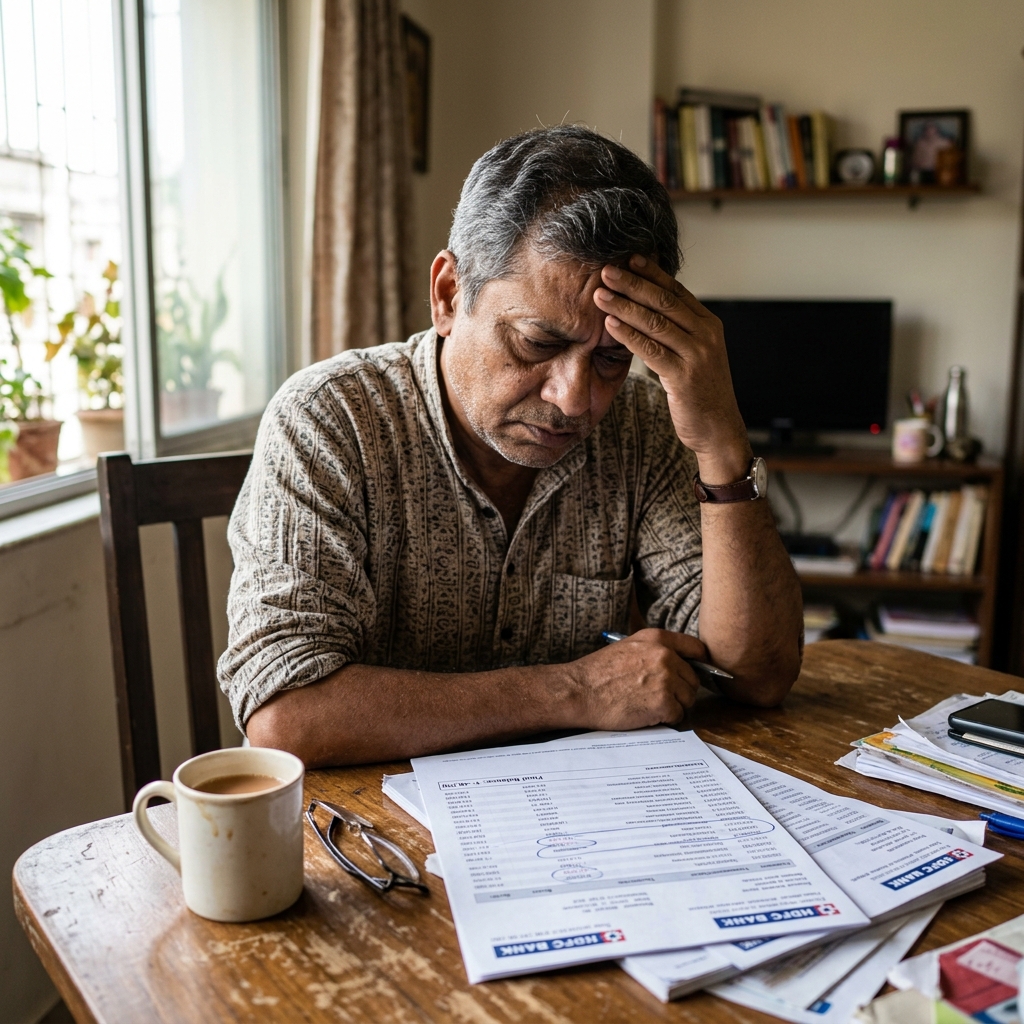
UPI is an extraordinary piece of infrastructure. Genuinely. But it removed the last meaningful piece of friction from spending your own money. The card at least required you to carry the physical object and present it. UPI requires nothing; the money moves as easily as sending a message. Which is why it moves far more often.
I am not sure why I still think about this. Maybe it does not matter.
And then there is Buy Now Pay Later. With BNPL, we have reached the logical endpoint of the casino model: people spending money they do not currently have, with the repayment deferred to a future self who has not agreed to it yet.
The debt I see in young people today is not the debt of our parents' generation. It is a different category entirely.
The casino's genius was in converting the money before the game started. The debt economy's genius is in converting the money before it has been earned. The psychological mechanism is identical: remove the friction, move the moment of reckoning far enough into the future, and people will spend in ways they would not if paying felt like paying.
This is not an argument against technology, or UPI, or even credit. All three have genuinely improved lives. It is an observation about what happens when friction... the pause, the wallet check, the slight discomfort of handing over notes... is engineered away entirely. The casino has always known: once the chips are in your hands, the counting mostly stops.