
The Vintage Car in the Garden
I designed it myself. I parked it in my garden. I made it free for anyone to come and see. That did not give someone the right to take it, put it in a museum, and charge entry. What GenAI is doing to the internet's content creators is not very different from this.
Here is the scenario. I spent years designing a vintage car... the body, the engine, every detail. I parked it in my garden and opened the gate. Free for anyone to walk in, look, touch, experience it. My motivation: I opened a small cafe at the front. The car drew people; the coffee paid the bills. A fair exchange. Nobody asked me to close the gate.
When I lived in Pune for three years, I actually saw a guy do this with a modified Royal Enfield. He spent ₹45,000 just painting it neon green and parked it outside his bakery to attract customers. The local hardware store manager literally copied the exact paint job for a rival cafe down the street.
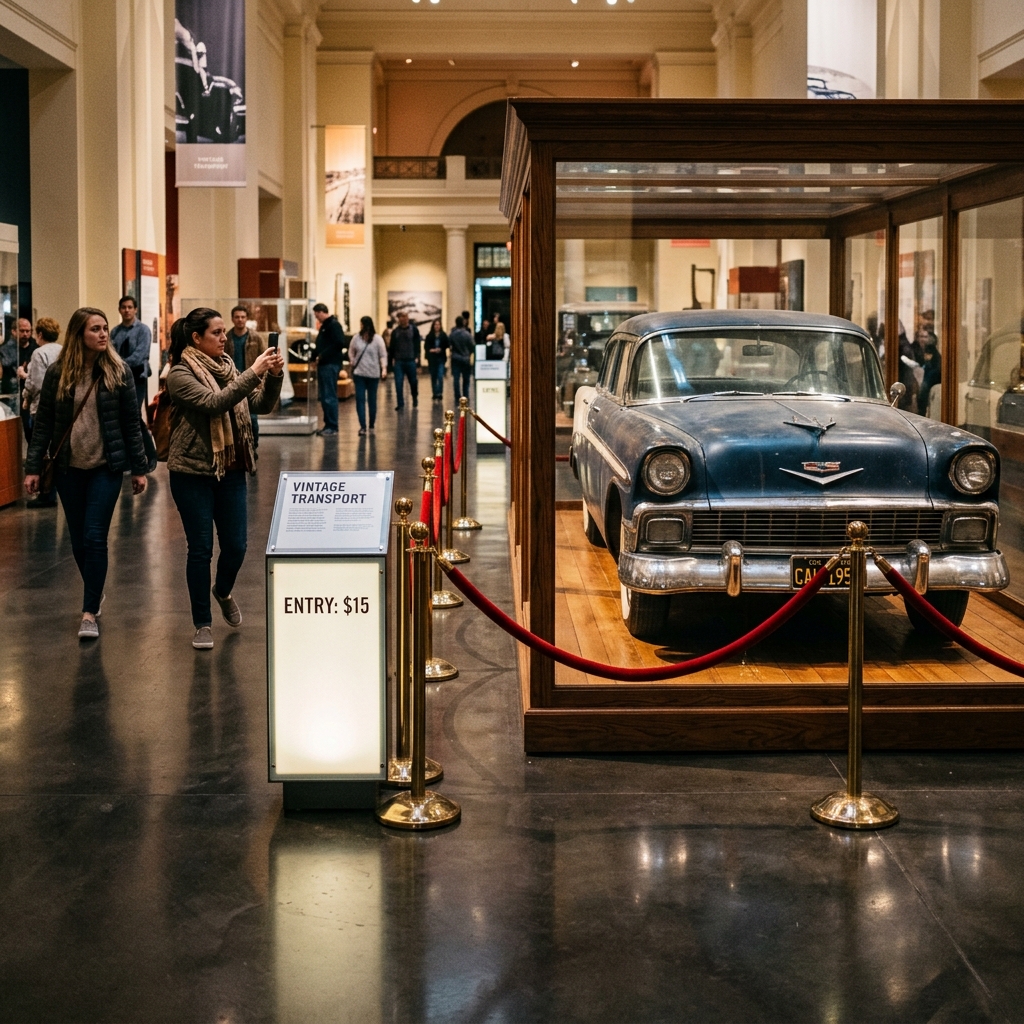
Now someone walks in, studies it thoroughly, creates a precise replica, takes that replica to a museum across town, and charges ₹500 a ticket for people to see it. The original is still in my garden. Nothing was stolen in the legal sense. But something was taken.
This is, in precise terms, what GenAI companies have done with the content that people put on the public internet. The creators did not lock their gates; they opened them deliberately, for specific reasons, within a specific economy of attention and appreciation. GenAI trained on that content, absorbed the value, and redistributed it without the traffic... or the coffee sales... ever returning to the source.
I am not sure why I still think about this. Maybe it does not matter.
The content was public. Accessibility is not the same as permission to extract, replicate, and monetise.
The economy of the open internet has always been understood, if not written down. You put content on Reddit because upvotes and followers are a form of currency. You contribute to GitHub because stars and forks mean something in your professional world. You write on WordPress because search traffic is how readers find you, and honestly, the whole SEO game has become so convoluted recently that I am genuinely not sure what that means yet for the people doing the actual work. None of this required money to change hands. It required attention to return to the source.
The legal cases are beginning. Not hypothetically; several litigations against major GenAI companies are already in motion... news organisations, authors, visual artists, and code repositories among the plaintiffs. The argument is consistent across all of them: the public nature of the content should should not be seen as a licence for commercial extraction at scale.
But the litigation question, while important, is not actually the most interesting one. The more interesting question is: what happens if the creators simply stop?
If the cafe gets no visitors because everyone is being served coffee somewhere else, the cafe closes. And when the cafe closes, no one builds the next vintage car. And when no one builds the next vintage car, the museum runs out of new exhibits.
This is not an anti-AI argument. I am a genuine supporter of Generative AI; we use LLM models extensively at Intents for a hundred different things. But we are careful, deliberately and specifically, not to use anyone else's data, photos, or videos without explicit permission. Not because we were forced to; because it is the right boundary to hold.