Thank God We Had Alternatives in 2018.
Google just slashed Maps API pricing. Companies are rushing in. I have heard "we know this is not forever" a dozen times this month. I heard the same thing about Wynk Music. Wynk shut down. Gaana... once a unicorn... sold for ₹25 lakhs.
Every single time I hear that sentence, I think about my Wynk Music subscription.
Around five or six years ago, I was an active Wynk user. There were other local players... Gaana, JioSaavn... good enough but I stuck to Wynk. The international options did not carry enough Bollywood at the time, so the choice was clear. Then came YouTube Music. Most songs were there; the family plan was around ₹188 for five members; my mother, father, wife, and others joined. Advertisements gone. Everyone happy.
So I left Wynk.
I remember sitting in a cafe in Bangalore for three hours trying to convince my uncle, a retired bank manager, to switch his ₹188 subscription, while he argued that Wynk had better audio quality because the app icon was red.
And here is what happened over the next couple of years: my entire family got trained on the YTMusic interface. They know how to create playlists, share songs, browse recommendations. YTMusic knows two years of my listening history; the recommendations are genuinely good. We are locked in; not by contract, but by habit, familiarity, and data.
Meanwhile, the alternatives quietly died.
Even if I wanted to shift today, I have nowhere to go. My user behaviour... my perfectly rational, deal-seeking decision to switch to the cheaper family plan... killed my alternatives. The market consolidated around the winner while I was busy enjoying the music.
I am not sure why I keep coming back to this.
Now let us talk about the industry I work in. Last month Google slashed the prices of Google Maps APIs. And a dozen conversations later, it goes exactly like this:
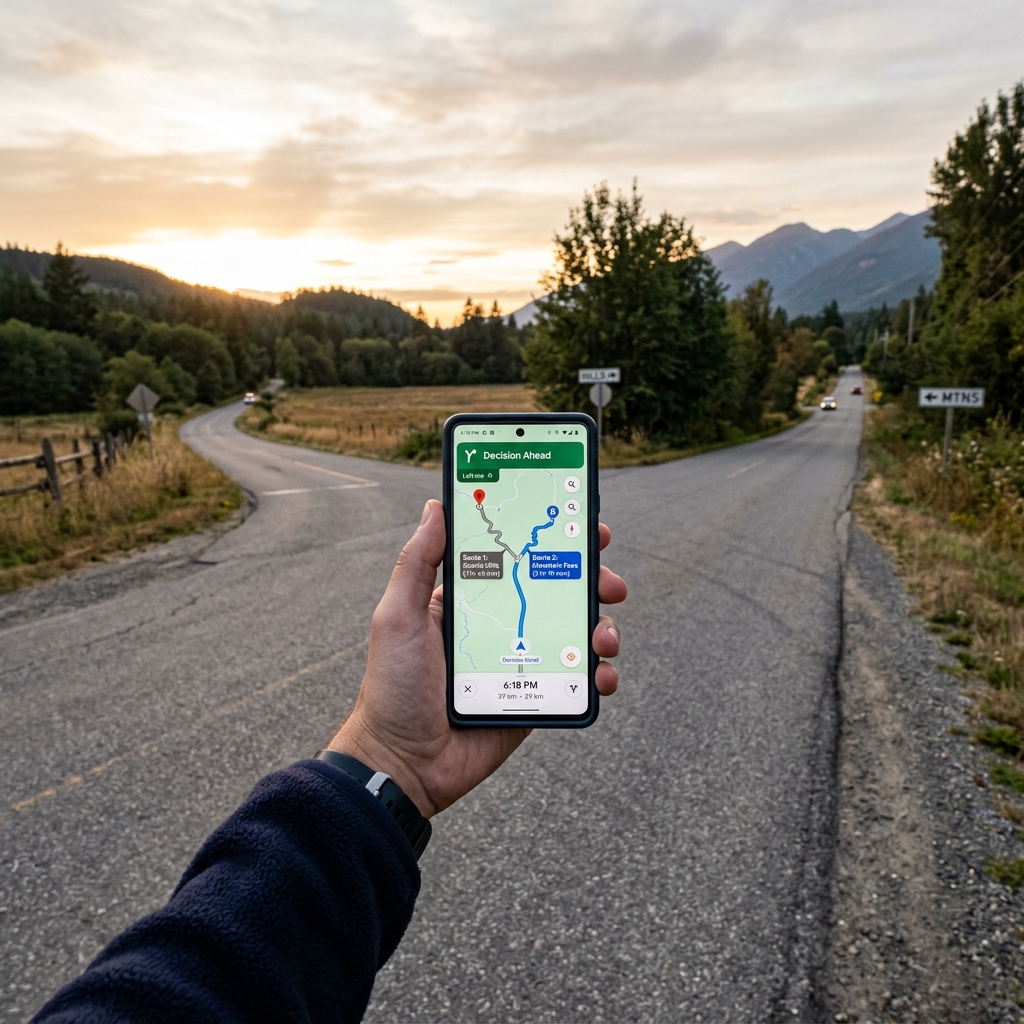
The question I am sitting with is this: are we heading in the same direction? Because right now, we have genuinely good alternatives... HERE Technologies, TomTom, MapmyIndia... some of them arguably better for business APIs than Google. But if companies en masse migrate to Google Maps because the price is right today, what happens to those alternatives? And what happens to us when Google does what it has done before?

So before you decide that Google's current pricing slash is a straightforward win, it is worth asking: what are we doing to the ecosystem that protected us in 2018?
That said... and I want to be fair here... I do not think the mapping industry is suppose to follow the music streaming playbook exactly. There are meaningful structural differences that make this market more resilient to monopolisation. Three of them matter most.
So I am cautiously optimistic that the mapping industry will not end up as consolidated as music streaming. The complexity of the problem domain, the consequences of failure, and the sheer switching cost all argue for a healthier multi-provider ecosystem than what we saw with Gaana and Wynk.
But "cautiously" is doing real work in that sentence. The pattern is familiar enough to warrant watching. Every company that says "we know this is not forever" while migrating to Google Maps is making a bet. The bet might pay off. Or, in a few years, they may find themselves in a position similar to mine: wanting to switch, discovering there is nowhere left to go, and wishing someone had kept the alternatives alive. :)