The Uncle Remembered. He Had Not Seen Me in Six Months.
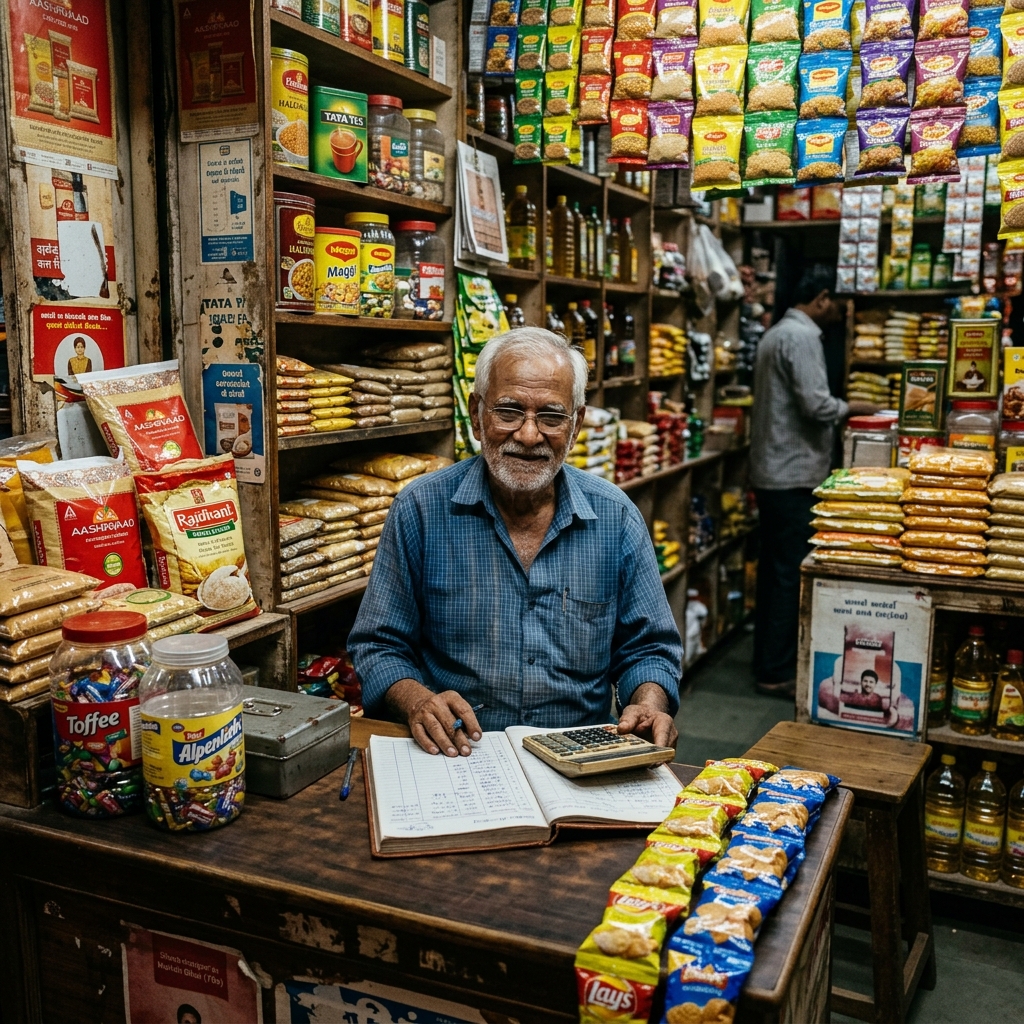
Mom needed besan for iftar. I could not risk Blinkit. I drove to the local store. The uncle had not seen me... or my parents... since November. He still knew she prefers Rajdhani Besan. I drove home thinking about what I have been quietly giving up.
I drove home thinking about that sentence for a long time.
Not about the besan. About the fact that a man I had not seen in half a year knew my mother's brand preference more precisely than any algorithm I have ever interacted with. Blinkit knows what I ordered. It does not know what my mother prefers... or why. That distinction is not technical; it is human.
And then I started remembering other moments from the same week.
When I lived in Pune for 11 months, the local chaiwala near my office knew exactly when I needed my 3 PM ginger tea, charging me Rs 12 every single time, even though he always insisted on serving it in a slightly chipped neon green ceramic cup.
None of this is transactional. None of it was asked for. It exists because these people know us... not as customer IDs or order histories, but as families, as neighbours, as regulars who have sat on the other side of that counter for years. The data they carry is not in a database; it is in memory, in attention, in the kind of care that accumulates slowly and does not depreciate.
I am not sure why I still think about this. Maybe it does not matter.
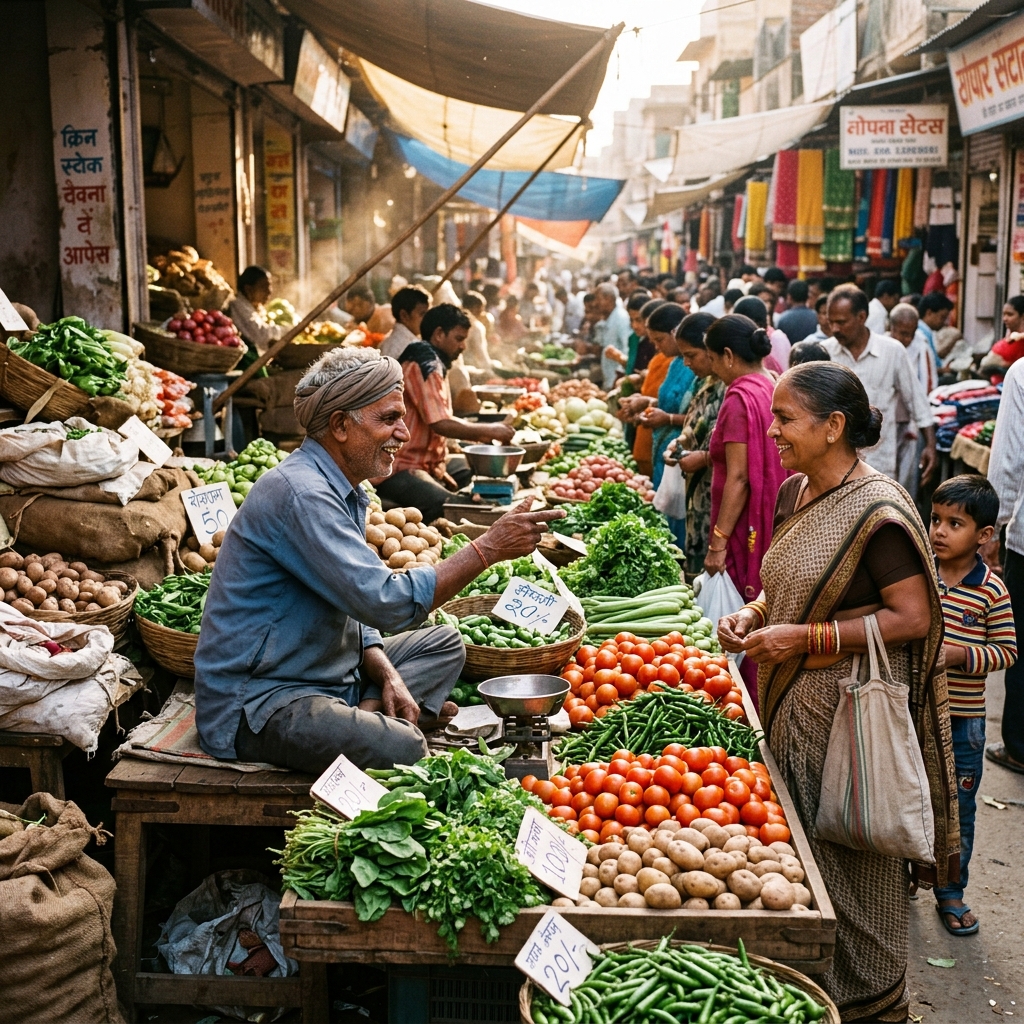
There would be no Kirana store where the shopkeeper says, "Sir, do not take this rice... it is new rice and would not give the aroma you need in Biryani." No pharmacy where the chemist knows the health of your family members and is genuinely concerned. No restaurant that tells you, "Eat the Tandoori Fish today," which is a sequence of events that feels increasingly rare, and I am genuinely not sure what that means yet for the people doing the actual work of building these apps. The personalisation that kept local stores alive for hundreds of years is missing in online retail. Currently, all of us seem fine with that.
But are we?
I was managing perfectly fine without quick commerce six months ago in Goa. I was doing my rounds of the local market; I knew the uncle, the pharmacy lady, the vegetable vendor. Then Blinkit arrived, and the convenience was real... I am not pretending otherwise. But somewhere in the frictionlessness of it all, I stopped going. And when I stopped going, I stopped being known.
- Delivery in 10–15 minutes
- No need to leave home
- Everything in one app
- Consistent availability
- Easy reorders and history
- The person who knows your mother's brand
- The vendor who calls when he finds your potato
- Advice that was never asked for but always right
- A smile that could brighten anyone's day
- The feeling of being remembered
The local market has survived for hundreds of years not because it is cheaper or faster or more convenient. It has survived because it knows you. Because the exchange is not just commercial; it is human. And that is something no algorithm, no matter how well-trained, has yet learned to replicate... because it is not a data problem. It is a presence problem.