
He Had Not Used the App. He Still Knew Exactly Why It Was Failing.
We were paying people to keep our app installed. Our Play Store ratings were abysmal. We were baffled. My father... a PhD in human psychology, retired for more than a decade... asked me one question. It fixed everything. Ratings jumped to 4.6. Downloads crossed 3 lakh in a month. He had never opened the app.
People say older generations still have useful things to teach us, which sounds like a cliché until you actually need help. This is something I understood intellectually for a long time. And then I lived it, very specifically, One a Tuesday afternoon in my living room.
It was around two years ago. We at Intents Mobi had launched a product for the gig economy... we were literally paying people to contribute data, asking them to do nothing apart from keeping the app installed. It sounded like a perfect proposition. And yet...
We had spent 3 weeks in our cramped Gurgaon office, burning through Rs 45,000 on user acquisition, while our lead developer sat on a broken plastic chair eating samosas and watching the metrics flatline.
I am not sure why I still think about this. Maybe it does not matter.
My father was at home. He is a PhD in human psychology... has been for decades. Retired for more than ten years now. Nothing about his professional life had involved smartphones, apps, gig economies, or Play Store ratings. But I was out of ideas, and sometimes the right answer is in the most unexpected place.
I had just got done with a call with a fresher, and quite casually I told him the problem. And instead of giving me an answer, he asked me questions.
Actually, I realise this is a tangent.
Then came the question that changed everything. He did not frame it as a product insight or a psychology lecture. He just asked it, simply, as if the answer were obvious.
My answer: maybe 10 minutes. Probably less.
"So you want a redemption for your effort within minutes... and you expect others to wait for 12 hours?"
The core issue was that we were making users wait for their money while showing them they had already earned it, which completely broke their trust.
That was the answer. We were showing people a real-time counter of what they were earning... building anticipation, triggering the same dopamine loop as a social media post... and then making them wait until midnight to actually receive it. The gap between seeing and having was the product's failure. It was not a technical issue. It was a human one.
I have not fully worked this out yet. But I am thinking about it more than I expected.
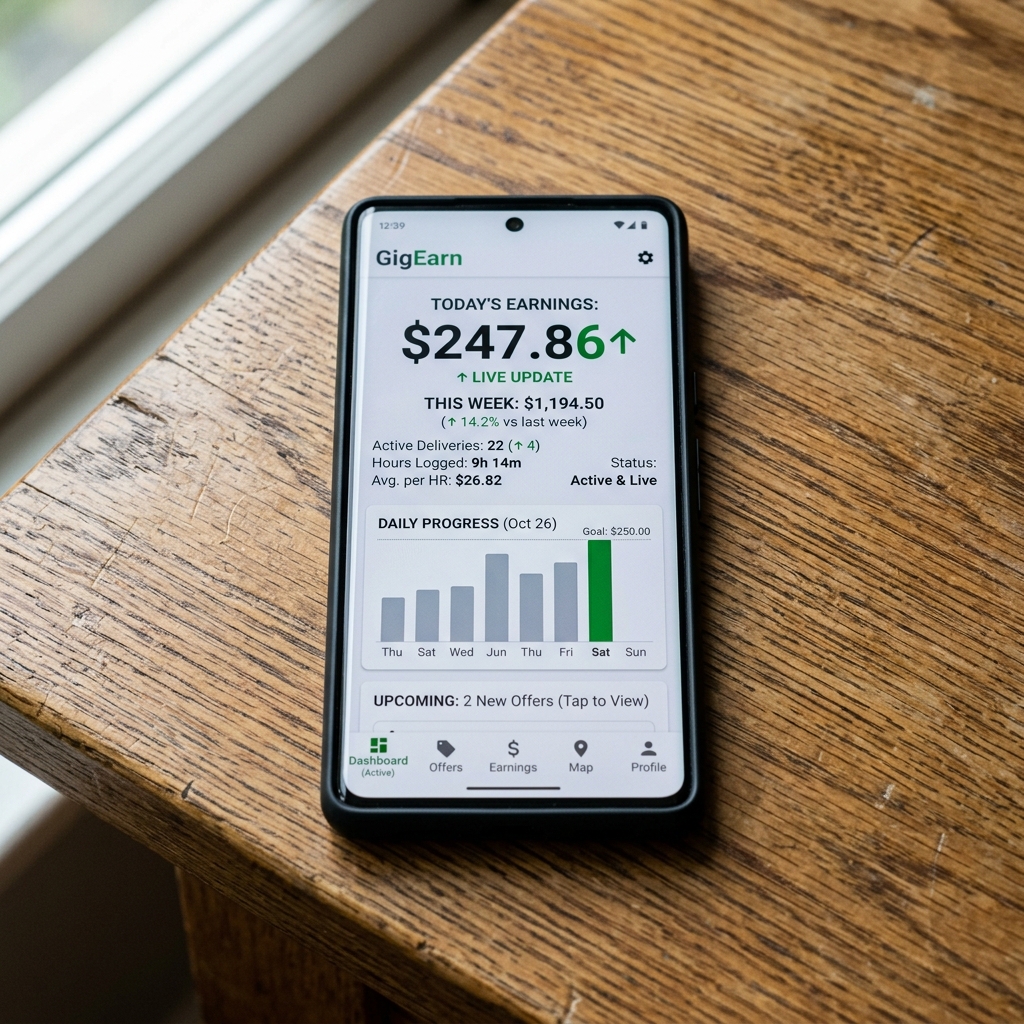
The gap between seeing the reward and actually receiving it was the root cause of our product's failure. It was never a technical issue, but rather a fundamental misunderstanding of human psychology.
I went back to him a month later, with the numbers. And I asked the question that had been sitting with me since that Tuesday. He had been retired for over a decade. Everything about apps, gig economies, and real-time UX was entirely foreign to his professional world. How had he connected the dots so precisely?
The modes change. The medium changes. The interface changes. The human being on the other side does not. Someone who spent a career understanding people... really understanding them, before any of this technology existed... carries knowledge that does not depreciate with the arrival of new devices.
The mistake I see in many product and startup conversations is the assumption that experience from a different era has less to offer... that because the tools are new, the people who understand people must also be new. That is simply not true. Human psychology, the dynamics of motivation and frustration, the need for timely acknowledgement of effort... these are not features of the digital age. They are features of being human. And a person who has spent decades studying them, whatever the mode, has something to teach.
I can never stop learning from him. I hope I never stop trying.