How a Truck Driver Taught Me What Corporate Trainings Could Not
It was a cold winter night in Delhi winters, so anyone who has stayed in Delhi during winters would know how cold and freezing it gets. This was almost a decade back, when the fog cover used to be very thick at night and seeing even 10 meters in front of you used to be difficult.
We were 3 friends who were sitting together and as usual doing absolutely nothing, when someone said he wanted to have Rajasthani food. I must confess that our group was really an impulsive one, so when one of them wanted to have Rajasthani food, instead of telling him to shut up, we all got up and got into a single car.
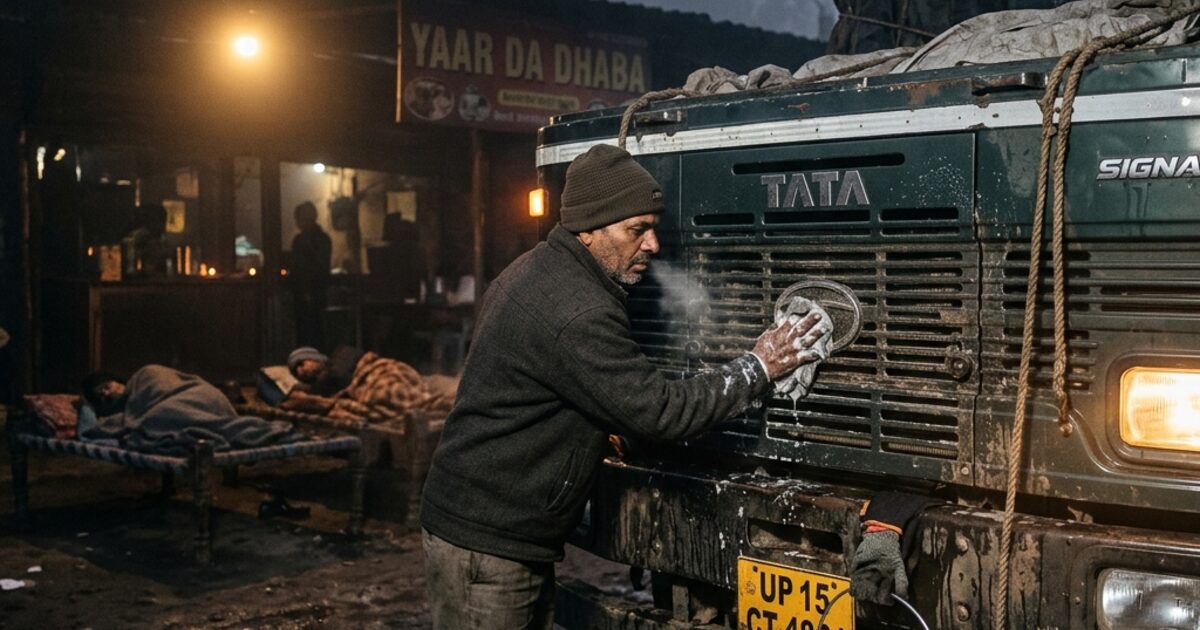
While we were waiting for our food to arrive, I saw that one of the truck drivers was washing his truck passionately. It was almost 4:00 AM in the morning, the water from the open tank was almost ice and still he was happily washing his truck. At a time when we did not even wash our hands to eat (as it was so cold), someone was washing his complete truck, that too with buckets of water!
While we were having our food, I think the truck driver got done with washing the truck, so he came and sat on a cot next to our and ordered for food. At 4:00 AM in the morning, at a random dhaba, everyone becomes a friend, so we asked the driver whether he was mad that he was washing his truck at such an hour. He could have done it in the morning as well when there was at least some sunshine. At least he could have had his food and then washed the truck.
One of the finest attributes of management, taught in a single sentence by a truck driver. It is what culture actually looks like when it is real: choosing to do the right thing when nobody is enforcing it.
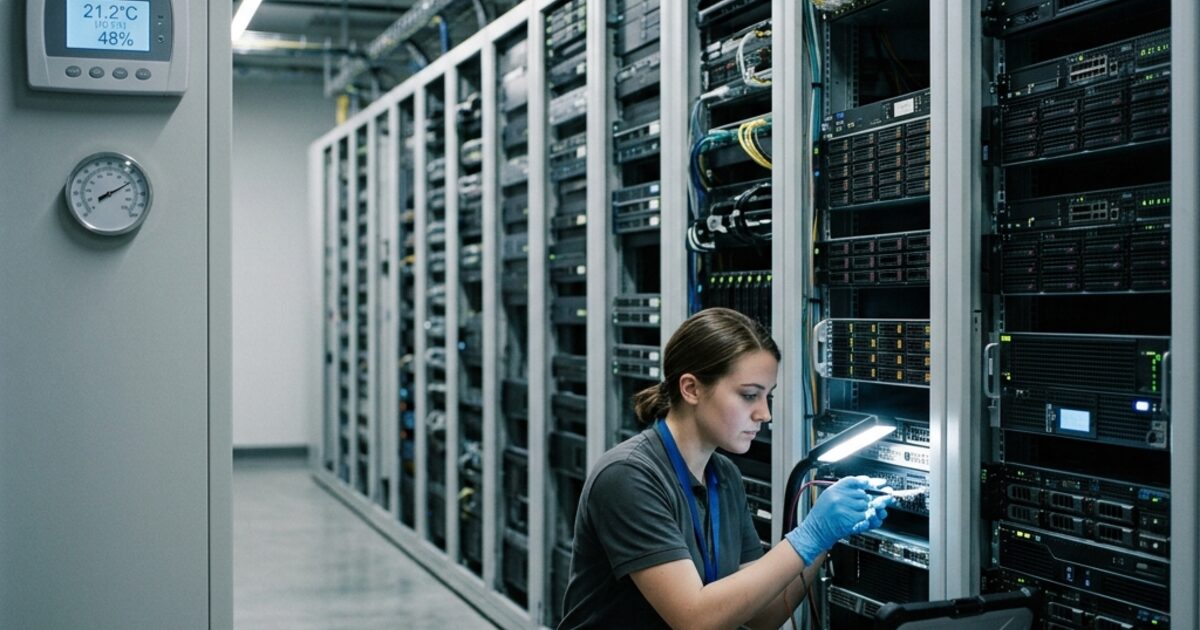
We see everywhere that people take really good care of the machinery, you try and find the best air conditioners for your server room, ensure that the temperature does not go above or below a certain level at all time. The reason is that, we know that machinery can break down anytime.
So what happens to us when our machinery is actually humans? Do we really think that we take care of our human machinery, as well as, we take care of our actual machines? The reason why we may not pay a lot of heed to taking care of human workforce (machinery) is that we know that even if a human machine breaks down, it is self healing. The person may be down for a day or couple of days, but would 'repair' itself and be back to normalcy on its own.
This 'self healing' property of human being may be really good. However, the questions is 'Should we entirely rely on this fact, and still be casual about taking care of our human resources?'