I read the announcement about WhatsApp usernames and my first reaction was not excitement. It was something closer to recognition. I have been here before. We all have.
My Yahoo Messenger username was something I will not repeat here, but it involved the word "cool" and a number. I was in my early twenties. You could be anyone on Yahoo Messenger. That was the point. Your username was your identity and your phone number was something you only shared when things got serious. The internet was a place you went to, and you went there as a character you partly invented.
Nobody asked for a phone number. Nobody expected one. Privacy was the default, not a feature.
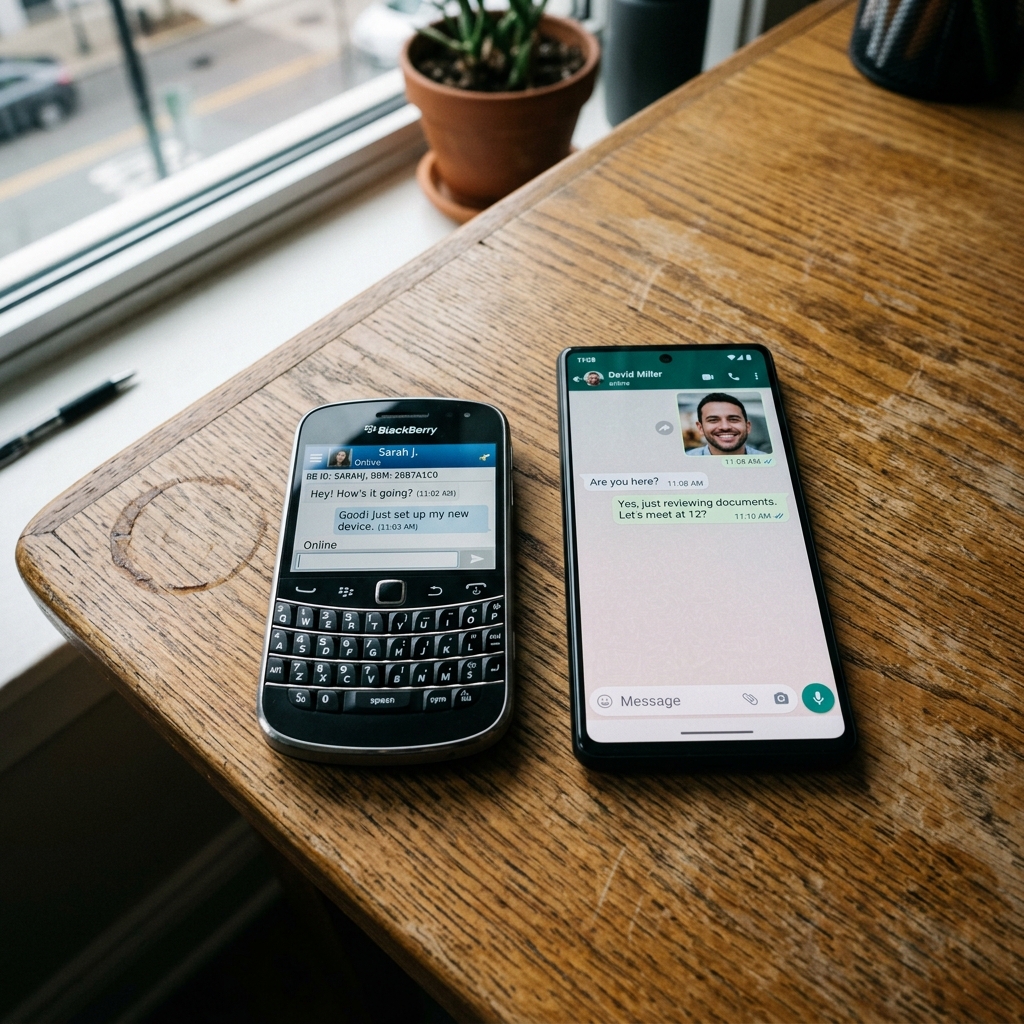
Then came BlackBerry Messenger. The BBM PIN era. You still did not share a phone number; you shared an 8-character code that felt oddly exclusive, like a club membership. I remember asking a young chap in a Lajpat Nagar showroom for his BBM PIN in 2008 because we wanted to stay in touch about a business deal. It felt more serious than exchanging email addresses and yet completely private. The PIN connected you without exposing you.
And then WhatsApp arrived... and everything changed.
WhatsApp's design was a deliberate choice, not an accident. Your phone number as your identity was a trust mechanism. It was the platform saying: the people on here are real, because real phone numbers cost money and effort to obtain at scale.
Spam dropped. Fake accounts became harder. The anonymous internet of "asl?" gave way to a network where the person messaging you was almost certainly the person they claimed to be. That was valuable. People trusted WhatsApp in a way they had never trusted Yahoo Messenger, because the identity verification was baked into the onboarding. You could not sign up without a SIM card. Your phone number was your passport.
The cost of that trust was privacy. Your number was visible to anyone you messaged for the first time. Group admins could see it. Businesses you contacted had it. Over more than a decade and 3 billion users, WhatsApp's phone number requirement went from a trust feature to a privacy liability. What was gneerally seen as a strength began to feel like a vulnerability, especially as WhatsApp expanded from personal messaging into commerce, communities, and payments. The more surfaces you used it on, the more people had your number who probably should not.
So now, in 2026, WhatsApp is introducing usernames. A more private way to connect. No public directory. No searchable database. Someone must know your exact username to reach you.
We are back where we started in 1998...